.png)
Spend R700 and get 10% off. Free shipping country-wide. 2 - 3 Days.
A Complete Korean Skin System

.png)
.png)
.png)
.png)
Skin Care, Explained Simply
Let’s be honest — skincare can feel like chaos.
One product says “use me every day,” another says “only twice a week,” TikTok says layer 12 steps, your friend swears by coconut oil, and suddenly your bathroom looks like a mini pharmacy. Confusing. Overwhelming. Slightly unhinged.
That’s exactly why Korea2CapeTown exists.
We did the researching, testing, comparing and overthinking for you (so you don’t have to).
Then we hand-picked the world’s best Korean skincare products and built them into smart, skin-type-specific systems that actually make sense.
You start with a 30-Day Reset Kit, matched to your exact skin type, to calm, rebalance and bring your skin back to healthy, glowing glass skin.
Once your skin is happy again, you move into a simple 7-Day Maintenance Routine that keeps your glow locked in — without turning your life into a 14-step science experiment.
Less stress.
More glow.
Better skin.
That’s skincare, the K2C way


Glass skin is a popular Korean beauty trend that refers to skin that's incredibly smooth, hydrated, clear, and luminous—almost like a flawless pane of glass, with a reflective glow, minimal pores, and even tone.
It's not about heavy makeup or filters; it's achieved through consistent skincare that prioritizes deep hydration, gentle exfoliation, and barrier strengthening.
In 2025, this look remains viral on platforms like TikTok, emphasizing natural radiance over matte finishes, and it's adaptable for all skin types, including those in sunny, dry climates like South Africa.
Achieving glass skin involves a multi-step routine focused on layering lightweight, hydrating products to build moisture from within, repair the skin barrier, and protect against environmental stressors.
Key principles include double cleansing (to remove makeup and impurities without stripping), toning for balance, essences/serums for targeted hydration and repair, creams to lock in moisture, and sunscreen to maintain the glow.
Consistency is crucial—aim for morning and evening routines, and incorporate gentle exfoliation 1-2 times a week if needed.
Hydration from inside (drinking water, eating fruits) and avoiding harsh products also help.
Our curated Glass Skin Kit makes this simple with five high-efficacy Korean products, selected for real results like improved plumpness and even tone. Here's an introduction to each:
Timeline to achieve Glass Skin?
How Long Will It Take to See a Difference?
Results from a glass skin routine vary by skin type, consistency, and starting condition, but you can expect initial improvements like softer, more hydrated skin in 1-3 weeks with daily use.
Noticeable glow and reduced pores often appear in 4-6 weeks, as the barrier strengthens and hydration builds.
For profound, mirror-like radiance, give it 2-3 months of steady application—factors like diet, sleep, and avoiding sun exposure speed things up.
If your skin is very dry or damaged, it might take longer; patch test first to avoid reactions.

The
Glass Skin
Kit

-
Round Lab 1025 Dokdo Cleanser: A mild, low-pH foam cleanser with deep-sea water minerals to gently remove dirt while hydrating—perfect for starting your routine without drying out the skin.
-
Anua Heartleaf 77% Soothing Toner: Infused with heartleaf extract, this toner calms irritation, balances oil, and preps skin for better absorption of later steps, promoting that dewy base.
-
Cosrx Advanced Snail 96 Mucin Power Essence: The star for hydration, with 96% snail mucin to boost collagen and smooth texture, delivering visible plumpness and glow.
-
Aestura Atobarrier 365 Cream: A ceramide-rich moisturizer that strengthens the skin barrier, locking in hydration for all-day softness and resilience against SA's harsh sun.
-
Round Lab Birch Juice Moisturizing Sunscreen SPF50+: A lightweight, non-greasy SPF with birch sap for extra moisture, ensuring your glass skin stays protected and radiant without a white cast.
-
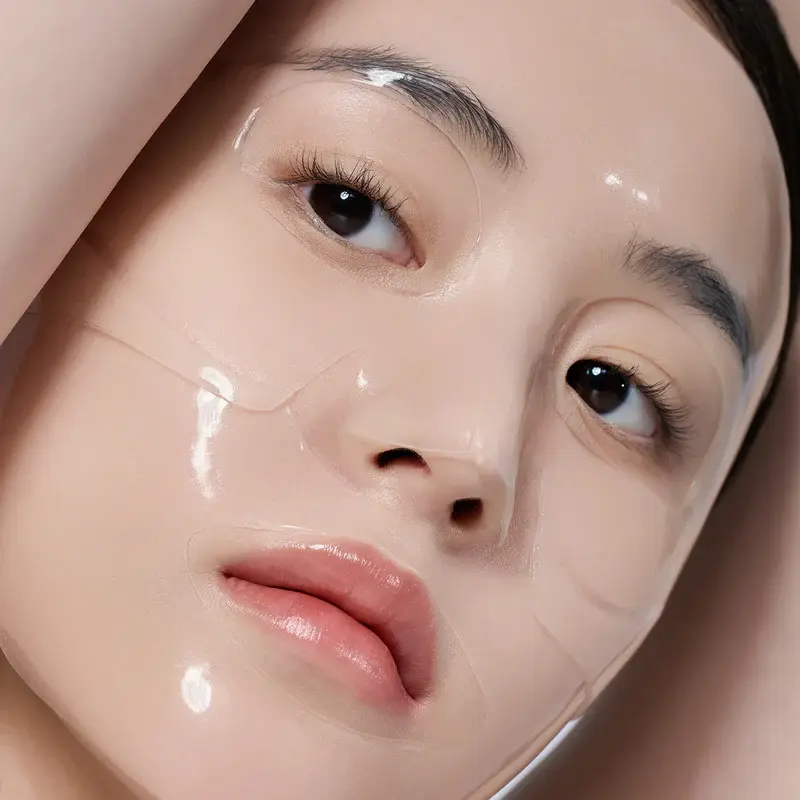
Biodance Bio-Collagen Real Deep Mask – Overnight collagen infusion for ultimate plumpness.
These products work synergistically: The cleanser and toner create a clean canvas, the essence infuses deep hydration, the cream seals it in, and the sunscreen guards the results.
The
Glass Skin
Recipe
Morning Routine
5 Steps
-
Cleanse with Round Lab 1025 Dokdo Cleanser.
-
Tone with Anua Heartleaf 77% Soothing Toner.
-
Essence: Cosrx Advanced Snail 96 Mucin Power Essence.
-
Moisturize: Aestura Atobarrier 365 Cream.
-
Sunscreen: Round Lab Birch Juice Moisturizing Sunscreen SPF50+.
Evening Routine
6 Steps
-
Cleanse with Round Lab 1025 Dokdo Cleanser (double if makeup).
-
Tone with Anua Heartleaf 77% Soothing Toner.
-
Essence: Cosrx Advanced Snail 96 Mucin Power Essence.
-
Mask (2-3x/week): Apply Biodance Bio-Collagen Real Deep Mask after essence; leave on 3-8 hours (overnight ideal), remove when white, and pat in essence—no rinse. On off-nights, skip to step 5.
-
Moisturize: Aestura Atobarrier 365 Cream (layer over mask essence if used).
This keeps the routine simple (under 10 minutes) while supercharging hydration. For mirror skin kit, we can add a similar upgrade if needed!

Why It
Works SO
Well
The Lipid Barrier – The Science Behind Your Skin’s Natural Shield
Your skin’s outermost layer is called the stratum corneum (the “horny layer”). It’s made of dead skin cells (corneocytes) held together by a mortar of lipids (fats). This brick-and-mortar structure is what we commonly call the lipid barrier or skin barrier.
What is the lipid barrier made of?
Approximately 50 % ceramides, 25 % cholesterol, and 15–20 % free fatty acids (plus tiny amounts of other lipids). These three types of lipids must be present in roughly that 3:1:1 ratio for the barrier to function properly. If any one is missing or out of balance, the “mortar” becomes brittle and cracks form.
What does the lipid barrier actually do?
-
Prevents water loss (TEWL = transepidermal water loss) Healthy lipids arrange themselves into tightly packed sheets that stop water from evaporating out of the skin. This is why your skin feels plump and hydrated when the barrier is intact.
-
Blocks irritants, allergens, bacteria, and pollution The fatty mortar is hydrophobic (repels water) and tightly organised, so most molecules larger than ~500 Daltons simply cannot pass through. This is also why most topical collagen (which is thousands of Daltons) never reaches the living layers – it just sits on top.
-
Regulates natural exfoliation Enzymes that break down the “glue” (corneodesmosomes) between dead cells only work properly when the surrounding lipids are healthy. A damaged barrier leads to either too much flaking (dry patches) or cells sticking together (dull, rough texture).
How do we damage it in the West?
-
Harsh foaming cleansers (high pH, sulphates) strip lipids
-
Over-exfoliation (physical scrubs, high % AHAs/BHAs, retinoids without buffering)
-
Hot showers, low humidity, alcohol-based toners → Result: microscopic cracks → water escapes → skin feels tight/dry → inflammation → more lines, redness, breakouts, pigmentation.
How does modern Korean skincare respect and strengthen it?
-
Gentle, slightly acidic cleansing (pH 5.0–6.0) to preserve lipids
-
Barrier-supporting ingredients
-
Ceramides (exact same ones your skin makes)
-
Cholesterol & fatty acids (often in 3:1:1 ratios)
-
Niacinamide (boosts ceramide production)
-
Centella asiatica, panthenol, beta-glucan (calm inflammation so barrier can repair)
-
-
Low-molecular-weight actives that actually penetrate
-
Small hyaluronic acid (<50 kDa)
-
Certain peptides, snail mucin glycoproteins, fermented filtrates
-
Encapsulated or fermented forms of bigger molecules These slip past the intact barrier and work in the living layers without having to destroy the barrier first.
-
In short:
A strong lipid barrier = hydrated, calm, smooth, glowing skin that ages more slowly. A damaged barrier = dehydrated, sensitive, dull, inflamed skin that looks older than it is.
This is exactly why Korean routines focus on protecting and feeding the barrier instead of constantly attacking it – and why people often see dramatic improvements in texture and radiance within weeks, even without aggressive actives.
That’s the real science behind “glass skin.”