.png)
.png)
Korean Skincare for Psoriasis: How to Soothe, Calm and Support Flare-Prone Skin

Why the right barrier-first routine can bring real relief to psoriasis-prone skin — and why fragrance, scrubs and "stripping it clean" make everything worse.
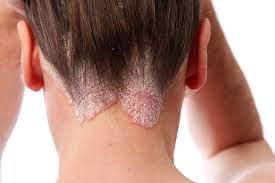
If you live with psoriasis, you already know the cycle.
The skin goes quiet for a while. You relax. Then the weather turns, or a deadline hits, or you catch a winter bug — and the plaques come back. Silvery, flaky, raised. They itch. They sting in the shower. They show up on your elbows, your scalp, your knees, sometimes your face. And then comes the part nobody talks about: the long-sleeves-in-summer part. The "don't look too closely" part.
Here's the first thing worth saying clearly: this is not poor hygiene, and it is not your fault. Psoriasis isn't dirt you didn't wash off. It's your immune system, working too hard, in the wrong direction.
The second thing worth saying: while skincare can't switch off the immune signal underneath, the right routine can make psoriasis-prone skin genuinely more comfortable — calmer, less tight, less itchy, better protected. And the wrong routine can light it up like a match.
Let's get into both.
What Psoriasis Actually Is: Your Skin Stuck in Fast-Forward
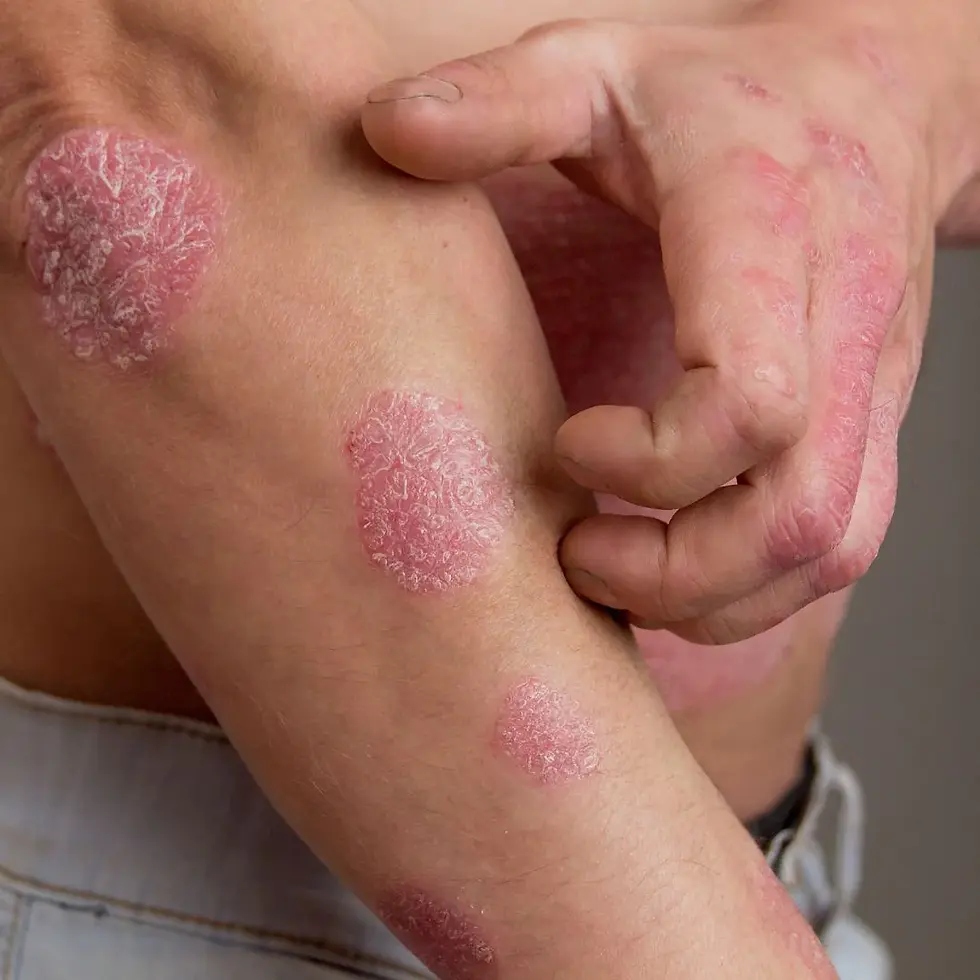
Normal skin works on a roughly month-long schedule.
A new skin cell is born deep in the lower layers, slowly rises to the surface over about three to four weeks, and is quietly shed once it gets there. Smooth. Invisible. Constant.
In psoriasis-prone skin, that timeline collapses. Instead of a month, new cells can reach the surface in as little as three to seven days — long before they're ready to be shed. So they don't fall away. They pile up. That build-up of immature cells is the raised, scaly plaque you can see and feel.
Why the rush? It traces back to the immune system. In psoriasis, a type of white blood cell called a T cell becomes overactive and mistakenly treats healthy skin as a threat. That triggers a cascade of inflammatory signals that tells the skin to grow far too fast. The redness is inflammation. The scale is the pile-up. The itch and tightness are the result of both.
This is why psoriasis is described as an immune-mediated condition, not a "skin type" you can wash or exfoliate away. It's also why it tends to come and go in flares rather than staying constant — the immune signal flickers up and down depending on what's happening in your body and your environment.
Why Psoriasis and a Damaged Barrier Feed Each Other
Here's the part that matters most for skincare.
Your skin's outermost layer — the barrier — is what holds moisture in and keeps irritants out. It's built from skin cells held together by lipids, including ceramides, like bricks held together by mortar.
In psoriasis-prone skin, that mortar is depleted. The barrier leaks. Water escapes too quickly (dermatologists call this transepidermal water loss), so the skin feels permanently dry, tight and flaky — even when you're moisturising. And a leaky barrier lets irritants in more easily, which feeds more inflammation, which damages the barrier further.
It's a loop. And the single most useful thing skincare can do is help break it: repair the barrier, slow the moisture loss, calm the surface inflammation. Not glamorous. But it's where relief actually lives.
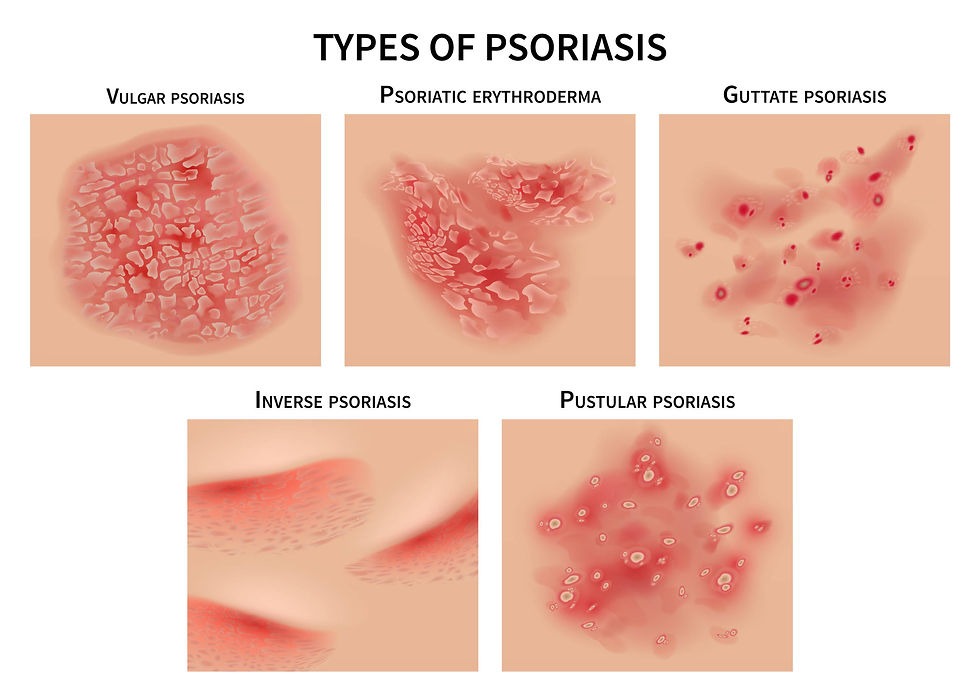
What Sets Off a Flare (And Why Cape Town Winter Is a Classic Trigger)
Flares rarely come from nowhere. The most common triggers are surprisingly ordinary:
Stress. There's a well-documented two-way street between stress and psoriasis — stress can spark a flare, and a flare adds stress. A vicious little loop of its own.
Infection. A throat infection or a winter virus can tip the immune system into a flare, sometimes days after you've recovered.
Cold, dry weather and less sun. Psoriasis very commonly worsens in the colder months. Drier air pulls moisture from an already-leaky barrier, and reduced sunlight plays a role too. For South Africans, that mid-year Cape Town cold snap is a textbook flare window.
Skin trauma. This one catches people out. Psoriasis can appear exactly where skin has been injured — a scratch, a sunburn, an aggressive scrub, even picking at existing plaques. It's called the Koebner phenomenon, and it's the clinical reason "be gentle" isn't a suggestion. It's the rule.
You can't control all of these. But you can control how you treat your skin — and that's where a thoughtful routine earns its place.
The Honest Truth: Skincare Is Support, Not a Cure
We're not going to pretend otherwise, because trust matters more than a sale.
Psoriasis is a medical condition, and skincare does not treat or cure it. If you have psoriasis — or think you might — your first stop is a doctor or dermatologist. Moderate-to-severe psoriasis is managed with prescription treatments (topical and otherwise) that work on the immune system in ways a cream from a shelf simply cannot.
So what can skincare do?
Quite a lot, actually — as adjuvant (supportive) care alongside whatever your doctor recommends. Research into barrier-focused skincare for psoriasis has found that gentle, ceramide-rich routines can soften plaques, reduce the dryness and scaling, ease itch, and even help prescription topicals absorb and work better. The skincare isn't fighting the disease. It's making the skin a calmer, more comfortable, better-protected place while the medicine does its job — and keeping the skin in good condition between flares.
That's the realistic promise. Comfort and support, not a cure. And honestly? For a lot of people, comfort is everything.
The Ingredients That Actually Bring Relief
Korean skincare is unusually well-suited to psoriasis-prone skin, for one simple reason: its entire philosophy is barrier first. Soothe, repair, protect — then worry about anything else. These are the ingredients that do the work.
Ceramides — Rebuilding the Mortar
Ceramides are the exact lipids your barrier is short on. Topping them up topically helps reseal the barrier, lock moisture in, and reduce the chronic dryness and flaking. They're skin-identical, extremely well tolerated, and one of the best-evidenced ingredients for compromised, flare-prone skin. This is the non-negotiable foundation.
Centella Asiatica (Cica) — The Calm-Down Active
If there's one Korean hero ingredient for inflamed skin, it's Centella asiatica — "cica," sometimes called tiger grass. Its active compounds (madecassoside, asiaticoside, asiatic acid) are known to calm redness, support wound healing and strengthen the barrier. More striking: laboratory research has shown Centella can dial down the specific inflammatory pathway involved in psoriasis. It's soothing with real mechanism behind it — not just a nice word on the label.
Panthenol (Pro-Vitamin B5) — The Healing Cushion
Panthenol is the quiet workhorse of barrier repair. It deeply hydrates, reduces moisture loss, and helps the skin recover — it's even used after lasers and procedures for exactly that reason. On psoriasis-prone skin it acts like a soft cushion, easing tightness and supporting the surface while it calms.
Niacinamide — Steady, Reliable Soothing
Niacinamide (vitamin B3) supports the barrier, helps the skin hold water, and has a gentle calming effect on redness. It pairs beautifully with cica and ceramides, which is why you'll often find all three working together in the best Korean formulas.
Gentle, Fragrance-Free Cleansing — Doing Less, On Purpose
For psoriasis-prone skin, cleansing should never strip. A single, gentle, fragrance-free, pH-balanced cleanse is the goal. No squeaky-clean feeling. No foaming sulphates. No scrubbing. The job is to clean without removing what little barrier lipid you have left.
What to Avoid (Save This Part)
Knowing what not to do is half the battle with flare-prone skin:
Fragrance and essential oils. The single most common irritant for reactive skin. Even "natural" fragrance (citrus, lavender, rosemary oils) can trigger flares. For psoriasis-prone skin, fragrance-free is the standard, not a preference. This is also why a beautifully scented product can be exactly the wrong choice here.
Drying alcohols. They strip the barrier and worsen the leak.
Physical scrubs and harsh exfoliation. That scratch-trauma can trigger the Koebner response and bring plaques to the spot you scrubbed. Resist.
Very hot water and long showers. They feel lovely and dehydrate the skin badly. Lukewarm, short, then moisturise within minutes while skin is still slightly damp.
Picking at scales. Hard, we know. But picking is skin trauma, and skin trauma is a trigger.
A Gentle Korean Routine for Psoriasis-Prone Skin
Here's a simple, fragrance-free, barrier-first routine built entirely around soothing and supporting — no acids, no retinoids, no actives that pick a fight. Always patch-test a new product, and clear any routine with your dermatologist first, especially if you're using prescription treatments.
Morning
Cleanse gently — ETUDE SoonJung pH 6.5 Whip Cleanser. Fragrance-free, pH-balanced, and already enriched with panthenol and madecassoside. A single soft cleanse, no stripping.
Soothe — PURITO Wonder Releaf Centella Serum (Unscented). This is the unscented version specifically — packed with Centella actives, niacinamide, panthenol and a ceramide, with no fragrance or essential oils to provoke a flare.
Seal and protect — PURITO Mighty Bamboo Panthenol Cream, fragrance-free and alcohol-free, to cushion and lock in moisture. Finish with Beauty of Joseon Relief Sun SPF50+ every morning — sunburn is a flare trigger, so daily protection matters.
Evening
Cleanse gently — the same SoonJung cleanse. One cleanse is enough; no double cleanse needed for this skin.
Soothe — the PURITO Centella Serum again, or layer in SKIN1004 Madagascar Centella Ampoule on especially reactive nights for an extra cica hit.
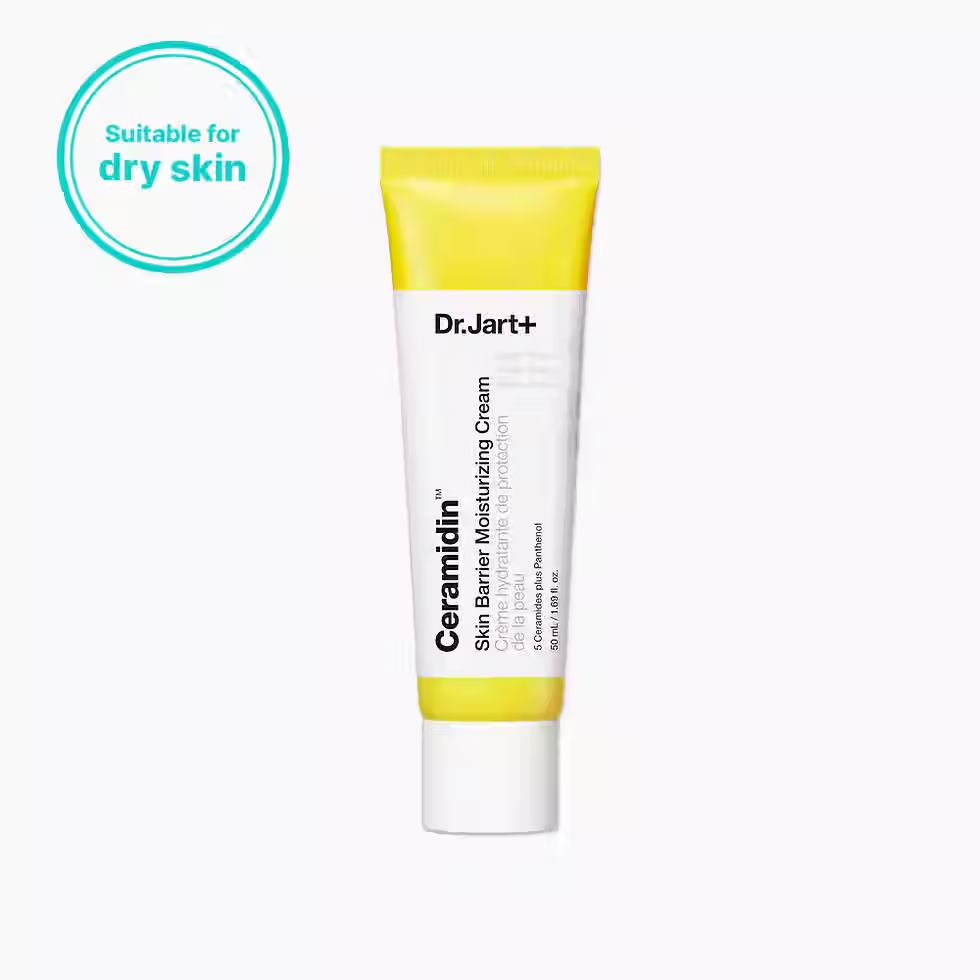
Repair overnight — for intensive barrier nights, a ceramide-rich moisturiser like Dr.Jart+ Ceramidin Cream tops up the exact lipids flare-prone skin runs short on. (Patch-test first and introduce one new product at a time.)
Once a week
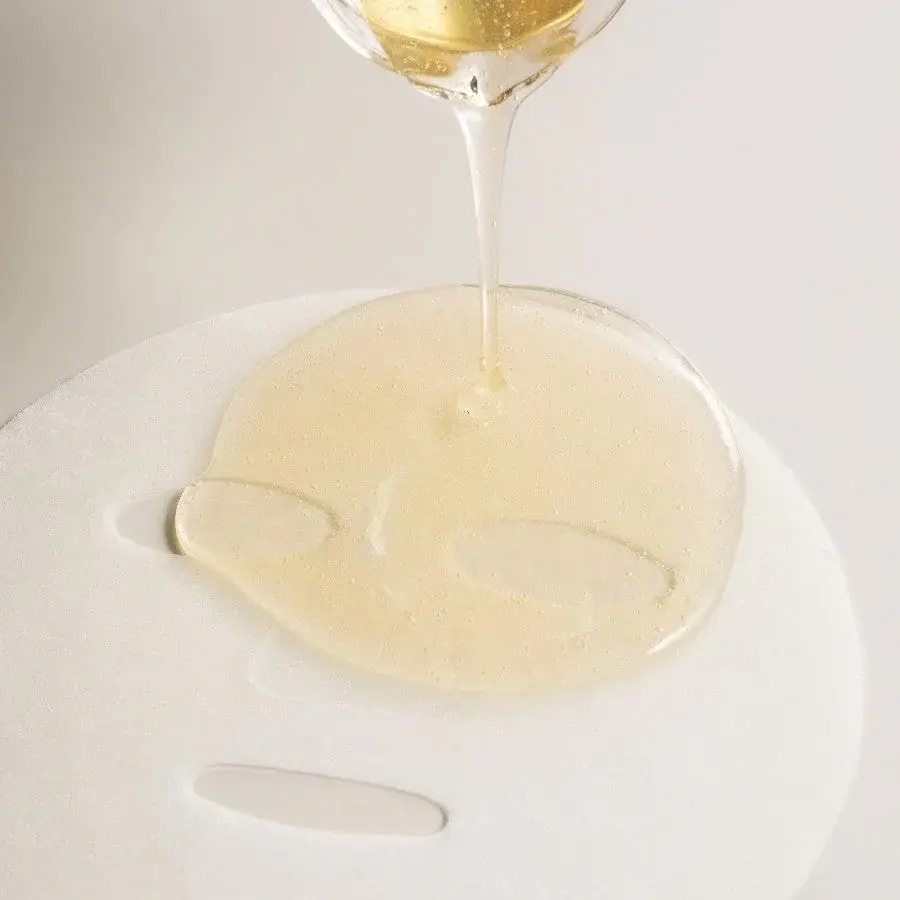
A calming, fragrance-free sheet mask such as the SKIN1004 Centella Watergel Mask for 15–20 minutes of concentrated soothing on a tired or reactive week.
Notice what this routine isn't: no exfoliating acids, no retinal, no vitamin C, no fragrance, no double cleanse. For psoriasis-prone skin, restraint is the strategy. Calm, seal, protect — and repeat.
A note on the sun: gentle, controlled sun exposure can sometimes help psoriasis, but burning makes it worse. This is exactly the kind of thing to discuss with your dermatologist rather than self-manage — and either way, daily SPF protects against the burn that triggers flares.
The K2C Way: We Treat the State Your Skin Is In
This is the heart of everything we do at Korea 2 Cape Town. We don't ask "what skin type are you?" — we ask "what state is your skin in right now?"
Psoriasis-prone skin in a flare is, in skincare terms, sensitive and barrier-compromised — reactive, dry, inflamed, defending itself. And that's a state we know how to support. Our barrier-first Calm & Reset philosophy was built for exactly this: no actives, no acids, no drama. Just gentle, fragrance-free, clinically-considered Korean skincare that helps reactive skin feel like itself again.
You shouldn't have to guess which products are safe for flare-prone skin, or read forty ingredient lists hoping you didn't miss a hidden fragrance. We've already done that thinking.
Not sure where to start? Take the K2C Skin Quiz — five questions, two minutes — and we'll point you to the gentle, barrier-first routine your skin is asking for right now. Or browse the full Calm & Reset range here.
This article is for general information and is not medical advice. Psoriasis is a medical condition — please consult a doctor or dermatologist for diagnosis and treatment. The skincare above is intended to soothe and support comfortable, healthy skin alongside professional care, not to treat or cure psoriasis.
Love always,
Mieke💚


Comments